Knox County News

  • HOME
    • SUBMIT NEWS
    • ADVERTISING
    • ABOUT US
    • CONTACT US
    • SUBSCRIBE
  • NEWS
    • BLOOMFIELD
    • CENTER
    • CREIGHTON/WINNETOON
    • CROFTON
    • NIOBRARA/SANTEE
    • VERDIGRE
    • WAUSA
    • KNOX COUNTY
    • NEBRASKA
  • SPORTS
  • CELEBRATIONS
  • WEATHER
    • WEATHER NEWS
    • CANCELLATIONS
  • OBITUARIES
  • CLASSIFIEDS
    • SUBMIT A CLASSIFIED
    • CLASSIFIED ADS POLICY
  • Service Directory
    • Shop Local
  • Social Media TikTok
  • HOME
    • SUBMIT NEWS
    • ADVERTISING
    • ABOUT US
    • CONTACT US
    • SUBSCRIBE
  • NEWS
    • BLOOMFIELD
    • CENTER
    • CREIGHTON/WINNETOON
    • CROFTON
    • NIOBRARA/SANTEE
    • VERDIGRE
    • WAUSA
    • KNOX COUNTY
    • NEBRASKA
  • SPORTS
  • CELEBRATIONS
  • WEATHER
    • WEATHER NEWS
    • CANCELLATIONS
  • OBITUARIES
  • CLASSIFIEDS
    • SUBMIT A CLASSIFIED
    • CLASSIFIED ADS POLICY
  • Service Directory
    • Shop Local
  • Social Media TikTok
Picture

Corps To Ramp Up Releases At Gavins Point

7/9/2018

Comments

 
Picture
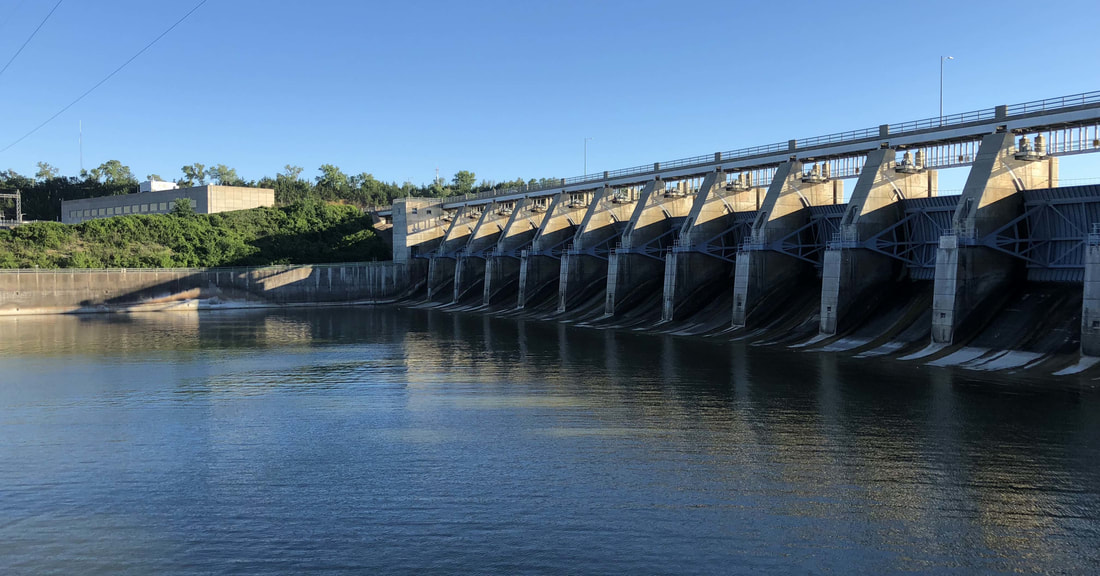
By the end of today, releases from Gavins Point Dam are scheduled to reach about 52,000 cubic feet per second.

On Saturday, its releases, which were previously cut down to 24,000, were at 42,000 and have been gradually increasing. And by the end of the month, releases at Gavins Point and Fort Randall Dam will be up to 58,000 cubic feet per second.

Because of heavy rainfall and snowmelt runoff, the U.S. Army Corps of Engineers decided to increase the river’s releases, according to Eileen Williamson, spokeswoman for the Corps Missouri River Basin Water Management Division.

While it’s normal for the Corps to step up releases around this time, this year’s will be higher than usual, Williamson said.  

“The releases will be a little bit higher, going up to potentially 60,000 cubic feet per second because all of that rainfall and snowmelt runoff that we’d been holding up north is going to gradually make its way through the downstream reservoirs, including Milwaukee, Big Bend, Fort Randall and then, ultimately, Gavins Point,” she said.  

She also pointed out that flooding during mid-June and the beginning of July is due to rain, not releases from the dam.

Knox County Sheriff Don Henery said he saw the water level coming up when he was in the area last week.

“The last time I was up there, which was last week, it looked like the water level of the river was gradually coming up,” he said.

However, Henery said he doesn’t think it will produce the same devastating effects that it had in June of 2011.

“At this point, I don’t think it will be anywhere close to that, but Mother Nature plays a very crucial part in this, that neither I nor the Corps, can control,” he said. “In other words, if we have a bunch of massive downpours, that can affect everything.”

Williamson also said the releases are nowhere near what they were in 2011 and that they will not remain high for as long as they did seven years ago. In June of 2011, the maximum at Gavins Point was 160,700 cubic feet per second.

“Our releases right now aren’t even forecasted to be half of what was released in 2011,” she said. “So in 2011, your releases were more than double what you’re seeing right now and more than double what is in our maximum release forecast.”

According to Williamson, releases will be higher until they can get all of the captured flood water back out of the system. By March 1, it must all be released in order to be prepared for snowmelt this winter.

While the Corps is monitoring the rivers, she said rain could have an impact and cause potential flooding.

“If there’s another rain event, the two together don’t always work so great together, which is why we waited to increase the releases,” Williamson said. “But, we’re monitoring the rivers and we have some capacity to cut releases should another downstream rain event occur.”

However, she said that it wouldn’t take an immediate effect, as it requires some travel time.

According to Dane Nielsen of Nielsen Insurance, a lot more people along Gavins Point have flood insurance now than they did seven years ago. Nielsen said it’s essential that homeowners acquire insurance at least 30 days before flood waters hit their property, as there were previous cases in which FEMA wouldn’t pay for some damages.

“Back then, they said the flood started the date that they opened the gates at the Garrison Dam in North Dakota,” he said. “And, we had some people who actually had flood insurance right when the water was coming up and they took flood insurance out and FEMA cut back and said, ‘Well, we’re not going to pay for it because that’s the date that the actual flood started.’”

Eventually, Nielsen said FEMA paid claims a year and a half later for people who were able to prove they didn’t have flood water in their house prior to the policy being enforced. However, not everyone was paid depending on the start date of their policies. Some people even faced total losses.

Nielsen said he isn’t sure if FEMA will maintain the same policy and if getting flood insurance right now will be soon enough to cover potential damages.

“I can’t really say that if you took flood insurance out right now that you’d have coverage for it,” he said. “It just kind of depends on how FEMA handles that.”

Possible losses will be a lot less extreme than in 2011, due to requirements made for people to rebuild houses and structures at set heights, according to Nielsen.

“With them opening the water up, it’s going to have to be a lot higher before it will actually reach most of the people’s houses and structures,” he said. “Because, people went in and did raise those up 4, 5, 8 feet, and everybody’s different because it’s all different elevations along that river.”

In addition to securing flood insurance before levels rise too much, Williamson said the best thing for people to do is to watch for higher water levels that can cause street flooding and to find the nearest upstream river gate.  

“Knowing where they are and knowing where the nearest upstream river is and simply monitoring that river’s state is probably the best thing to do, especially if there’s rainfall in the forecast,” she said.

Additionally, Henery said it’s important for people to use common sense, and those who are affected should monitor the situation and act accordingly.

“Most certainly, everybody’s been through this before, so I think it’s just a day-by-day monitoring and watching and seeing,” he said.

Every day, Williamson said the Corps has people checking inflows and ensuring the dams are safe and functioning properly.

Henery said law enforcement isn’t taking any precautionary actions at this point, other than keeping an eye on the situation.

“It’s kind of a wait-and-see game,” he said. “We don’t know what Mother Nature’s going to throw at us; we don’t know what complications could be down the road. We’ll handle each day as it comes.”
Comments
    Picture

    RSS Feed

News That Matters Most To Knox County - Your News, Your Way, Every Day!
Our News Websites 
• Antelope County News
• Knox County News
• Holt County News
• Boone County News
​About Us          
• Contact Us
• Submit News
​
• Advertising
• Subscribe
Our Communities           
• Bloomfield       • Santee
​• Center                • Verdigre
• Creighton         • Wausa 
​• Niobrara            • Winnetton
Social Media                         
• Facebook
• Twitter
• Instagram
​• Snapchat: LocalCountyNews

© Pitzer Digital, LLC
Picture
Picture
Picture